

Natural Relief for Sacroiliac Joint Pain Without Surgery or Injections!
SI joint dysfunction is one of the most common causes of lower back pain that we see in our office. The sacroiliac joints connect the spine to the pelvis, and they play a critical role in stabilizing the body during movement and activity.
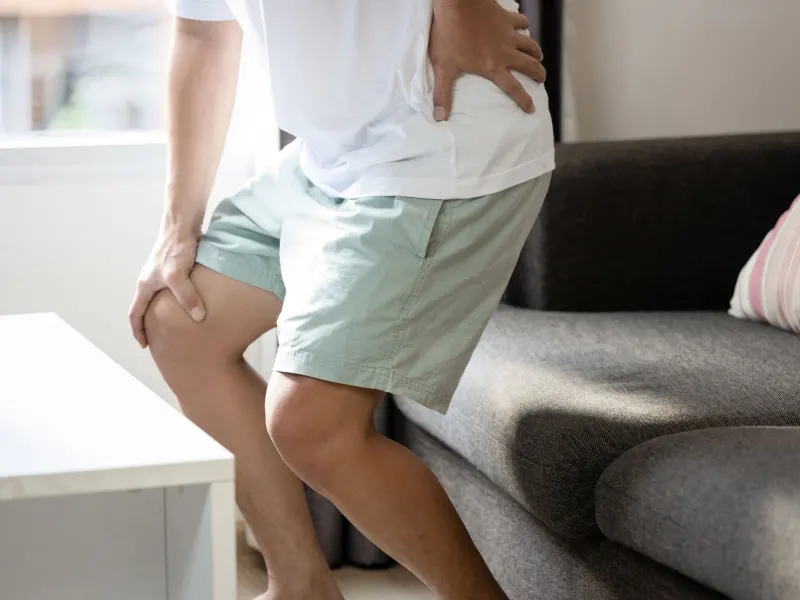
When these joints become irritated, inflamed, or even unstable, they can cause pain in the lower back, hips, and buttocks. Most commonly, we see people come in with what they think is hip pain that wraps around into the front groin region. In other cases, the pain may even radiate into the legs, making it easy to confuse with other conditions like sciatica or disc injuries.
At STRIVE Integrative Health in Brookfield, Wisconsin, we specialize in identifying the underlying causes of SI joint dysfunction and providing non-surgical treatments designed to restore stability and reduce inflammation in the joint.
Many patients who visit our clinic have been struggling with chronic lower back pain that has not responded to traditional treatments. By focusing on the biomechanics of the spine and pelvis, we help patients regain stability, reduce pain, and return to normal daily activities.
Our goal is to address the root cause of SI joint dysfunction so patients can experience lasting relief rather than temporary symptom management.
What Is the SI Joint?
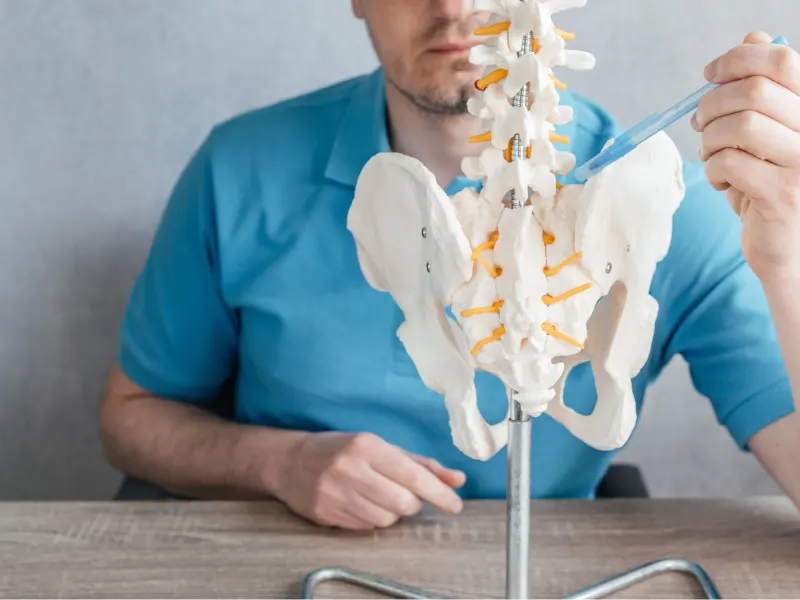
The sacroiliac joint, commonly referred to as the SI joint, connects the sacrum (the triangular bone at the base of the spine) to the pelvis.
There are two SI joints in the body—one on each side of the sacrum.
These joints serve several important functions, such as transferring weight from the upper body to the lower body, stabilizing the pelvis during walking and movement, and absorbing shock between the spine and legs.
Unlike many other joints in the body, the SI joint does not move very much. It is designed primarily for stability rather than mobility.
However, when the joint becomes either too stiff or too mobile, it can lead to irritation and inflammation. When this occurs, it is known as SI joint dysfunction.
$49 New Patient Special
Includes Consultation, Orthopedic exam, Motion studies, Risk-fall and assessment, Full Spine Xrays, Full Report of Findings, & Spinal relief treatment. $895 Value.
How Our Care Plan Works
1. Jumpstart Your Relief
You’re in pain and looking for answers. That’s why this first visit is all about understanding you—not just your symptoms. We’ll take a deep dive into your health history, do a full spinal exam, take any necessary x-rays, and give you a gentle trial treatment to get your body moving in the right direction. You’ll walk out with more than just hope—you’ll walk out with answers.
2. Finally Find Your Solution
At your second visit, we’ll show you exactly what’s going on and why you haven’t gotten lasting relief in the past. You’ll see your x-rays and receive a personalized, step-by-step care plan that targets the root of your problem. You’ll also receive your second treatment to start building momentum. This is the moment most people say, “Finally—someone gets it.”
3. Freedom To Do Everything You Want
This is where real change happens. Over the next few months, we’ll walk with you through a customized care plan designed to restore your body’s natural healing abilities, reduce pain, and help you return to what you love—whether that’s golfing, hiking, chasing your grandkids, or just living without constant discomfort. It’s not a quick fix. It’s a real plan for freedom.
How We Diagnose SI Joint Dysfunction at Strive Integrative Health in Brookfield, WI
Consultation and Examination
At STRIVE Integrative Health in Brookfield, the first step is to sit down with you to determine if the SI joint is contributing to your pain. From that initial consultation, we typically already have a good sense of your specific condition and what needs to be done, but we don’t like to guess with your health—we like to test. So after the consultation, we always do a comprehensive exam and any necessary X-rays to determine exactly where your problem is.
This comprehensive consultation and examination allows us to determine the root cause of your low back pain and construct a treatment plan that not only gets you feeling better, but also keeps you feeling better so the problem doesn’t keep coming back.
Your evaluation may include:
- Detailed health history
- Postural assessment
- Range of motion testing
- Orthopedic and neurological testing
- Digital X-rays with motion analysis
These assessments are great ways to determine whether your pain is caused by disc issues, joint dysfunction, nerve irritation, muscle imbalances, or a combination of these.
At STRIVE, we understand that everyone is different, so once we uncover the underlying cause, we create a personalized treatment plan to help you get the results you are looking for and get back to living life on your terms.
Our Non-Surgical Treatment Approach for SI Joint Dysfunction in Brookfield, WI
At STRIVE Integrative Health, we focus on natural treatments that don’t require pain pills, surgeries, or injections. Instead, we use state-of-the-art equipment and techniques that promote healing and restore spinal function.
While many of our patients may be dealing with similar symptoms, everyone is slightly different and may require different therapies to achieve their health goals. That’s why at STRIVE we offer several different treatments to help with low back pain, and based on the doctor’s evaluation, they will always go over your best course of care to achieve optimal results.
Some of those treatments may include:
Corrective Chiropractic Care
Chiropractic adjustments help restore proper motion to the spine. Through our motion study analysis on X-rays, we can determine exactly which joints are not moving properly and where that is putting pressure on the nervous system. When joints in the spine become restricted or misaligned, this creates irritation in the nerve, disc, and surrounding soft tissue, leading to pain and restricted range of motion.
Left untreated, this area can continue to get worse. Dr. Jonathan Stevenson likes to say, “motion is lotion, and rest is rust,” meaning a spine that does not move will degenerate faster than a spine that maintains a healthy range of motion. Chiropractic care is essential for an optimally functioning spine and nervous system.
A well-adjusted spine will help improve spinal mobility, reduce nerve irritation, help overall posture, and restore proper movement patterns. This approach allows the body to function more efficiently and heal naturally without the use of pain pills, surgeries, or injections.
Spinal Decompression Therapy
Spinal decompression is a great non-surgical treatment option designed to reduce pressure on spinal discs, decrease tightness, and alleviate nerve irritation.
We utilize a specialized decompression table that delivers gentle traction to the lumbar spine to help create space between vertebrae. This may help reduce disc pressure, improve disc hydration, relieve nerve compression, and help promote disc healing.
In our office, spinal decompression is often used for conditions such as herniated discs, disc bulges, and degenerative disc disease.
Shockwave Therapy (PiezoWave/Myo-Acoustic Therapy)
The PiezoWave treatment has been an absolute game changer for many of our patients. It is classified as a myo-acoustic therapy that sends out sound waves to help improve blood flow and cellular repair, which can accelerate recovery from chronic inflammation and soft tissue injuries.
PiezoWave technology is often used in our office for low back pain, degenerative disc disease, sacroiliac joint dysfunction, and much more.
Red Light Therapy
Red light therapy is sometimes used in our office to help stimulate cellular repair, reduce inflammation, and reduce pain. We can utilize different wavelengths with the Prism Light Bed to provide the best outcomes for our patients. It is a high-powered light bed that delivers a strong, effective dose of red light to accelerate recovery.
This therapy supports mitochondrial function. Mitochondria make up approximately 10% of an adult’s body weight, and they act as the power plants of the cell, producing the energy (ATP) the body needs to repair itself. Stimulating these cells allows them to produce more energy and recover more effectively. Many patients experience improved healing and reduced pain when red light therapy is incorporated into their treatment plan.
Lifestyle Habits That Support Pelvic Stability
Certain lifestyle habits can help reduce stress on the SI joints.
Helpful strategies include:
- Maintaining good posture
- Strengthening the core and glutes
- Avoiding prolonged sitting
- Stretching regularly
- Using proper lifting techniques
- Maintaining a healthy body weight
Improving pelvic stability can significantly reduce the risk of recurrent SI joint pain.
Why Patients Choose STRIVE Integrative Health in Brookfield, WI
Patients throughout Southeastern Wisconsin and beyond choose STRIVE Integrative Health. The majority of our patients reside in Brookfield, Waukesha County, and the Greater Milwaukee area because we focus on long-term solutions rather than temporary symptom relief.
Our approach is centered around understanding why the patient is in pain and what areas of their life are impacted. Once we determine that we can help, we want to utilize a treatment that addresses the root cause of their pain using non-surgical treatments like chiropractic adjustments, spinal decompression, PiezoWave therapy, and red light technology. Every patient receives a personalized care plan centered around patient education and long-term spinal health.
At STRIVE Integrative Health, we believe the power that made the body heals the body, and when your spine functions properly, the body has an incredible ability to heal and recover. Sometimes the body just needs a nudge in the right direction, and that is exactly what we are here to help the body accomplish.
When Should You Seek Treatment for SI Joint Dysfunction?
If you are experiencing any of the symptoms listed below, it may be time to schedule an appointment at STRIVE Integrative Health to see if we can help:
- Back pain lasting longer than two weeks
- Pain that radiates into the leg
- Numbness or tingling in the legs
- Weakness in the legs or feet
- Difficulty walking or standing
Always remember, early evaluation and treatment can help prevent minor issues from progressing into more serious conditions.
Your examination may include:
- Detailed health history
- Posture analysis
- Pelvic alignment assessment
- Orthopedic testing
- Neurological evaluation
- Functional movement analysis
- Digital X-rays when necessary
Several specific orthopedic tests help determine whether the SI joint is the source of pain. These tests evaluate how the joint responds to different movements and positions.
Once we identify the underlying cause of your symptoms, we create a personalized treatment plan designed to restore stability and reduce inflammation in the joint.


Common Symptoms & Causes of SI Joint Dysfunction in Brookfield, WI
Symptoms of SI Joint Dysfunction
Symptoms of SI joint dysfunction can vary depending on the severity of the irritation and whether surrounding muscles or nerves are affected.
Common symptoms include:
- Pain in the lower back
- Pain on one side of the lower back
- Pain in the buttocks
- Hip pain
- Pain that worsens when standing from sitting
- Pain when climbing stairs
- Discomfort when walking or standing for long periods
- Stiffness in the pelvis or lower back
Many patients report that the pain feels deep within the buttock region.
SI joint pain often worsens with activities that place stress on the pelvis, such as standing on one leg, climbing stairs, running, and transitioning from sitting to standing.
Because the SI joint is located near the sciatic nerve, some patients may experience symptoms that mimic sciatica, including pain that travels into the leg.
Where SI Joint Pain Is Typically Felt
SI joint dysfunction usually produces pain in specific areas of the body.
The most common locations include:
- Lower back
- Buttocks
- Hip region
- Groin
- Upper thigh
In most cases, the pain occurs on one side of the body, although it can occasionally affect both sides. Patients often describe the pain as a deep ache in the buttock or pelvic region.
What Causes SI Joint Dysfunction?
SI joint dysfunction can develop from several factors that affect the stability and mechanics of the pelvis, such as:
Joint Hypermobility
In some patients, the SI joint becomes too mobile. This excessive mobility can cause irritation and inflammation within the joint. Hypermobility may occur due to ligament laxity or muscle weakness around the pelvis.
Joint Hypomobility
It is much more common for the SI joint to become restricted or stiff. When the joint loses its ability to move, this is known as joint hypomobility. This can then create abnormal stress on the lumbosacral fascia. This happens a majority of the time from sitting for prolonged periods, often in patients who have desk jobs or drive for a living.
Trauma or Injury
Motor vehicle accidents, trips/falls, and sports-related injuries can cause damage to the SI joints and the surrounding soft tissue. This can lead to SI joint dysfunction and also make reoccurring symptoms more likely if not treated properly. Even minor trauma can disrupt the alignment or movement of the joint.
Leg Length Differences
If one leg is slightly longer than the other, it can place uneven stress on the pelvis. This is very common throughout the population. Some research suggests that at least 50% of the population is born with an anatomically short leg, which can make them more prone to both SI joint dysfunction and low back pain in general.
Degenerative Changes
As the body ages, wear and tear on the SI joint may lead to inflammation and reduced joint stability, which can contribute to chronic pain and SI joint dysfunction.
SI Joint Dysfunction vs Sciatica
Many patients confuse SI joint dysfunction with sciatica because the symptoms can be very similar. Sciatica occurs when the sciatic nerve becomes compressed or irritated, often due to disc injuries in the lower spine.
SI joint dysfunction, on the other hand, originates from irritation of the sacroiliac joint. However, because the SI joint sits close to the sciatic nerve, inflammation in the joint can sometimes irritate the nerve and produce symptoms that mimic sciatica.
Proper diagnosis is essential to determine the true source of the pain.
How SI Joint Dysfunction Affects the Body
The SI joints are responsible for transferring forces between the upper and lower body. When the joints become unstable or restricted, they can disrupt the mechanics of the entire spine and pelvis. This can lead to muscle imbalances, altered walking patterns, increased stress on the spinal discs, hip pain, chronic low back pain, and more.
Over time, these changes may contribute to additional musculoskeletal problems like hip pain, knee pain, and other dysfunctions. Restoring proper SI joint function is essential for maintaining overall spinal stability and the longevity of the spine.
Check Out Our Location Near You
19555 W Bluemound Rd Suite 14, Brookfield, WI 53045
Frequently Asked Questions
Can SI joint dysfunction heal on its own?
Mild cases may improve with rest and strengthening exercises, but persistent symptoms often require treatment.
How do I know if my pain is coming from the SI joint?
A thorough examination is required to determine whether the SI joint is the source of pain.
Can chiropractic care help SI joint dysfunction?
Chiropractic care focuses on restoring proper movement to the spine and pelvis, which may help relieve SI joint irritation.
Is SI joint dysfunction permanent?
Most patients experience significant improvement with appropriate treatment and strengthening exercises.
How is SI joint dysfunction different from sciatica?
Sciatica happens when the sciatic nerve is compressed or irritated, often from a disc injury. SI joint dysfunction starts with irritation in the sacroiliac joint itself, though because the joint sits close to the sciatic nerve, it can sometimes cause symptoms that feel similar to sciatica. A proper exam is needed to tell them apart.
Schedule an SI Joint Dysfunction Consultation
If you are experiencing symptoms of SI joint dysfunction, the team at STRIVE Integrative Health in Brookfield, Wisconsin is here to help.
Our goal is to restore pelvic stability, reduce inflammation, and help you return to the activities you enjoy.
Contact our office today to schedule your consultation and begin your path toward lasting relief.
$49 New Patient Special
Includes Consultation, Orthopedic exam, Motion studies, Risk-fall and assessment, Full Spine Xrays, Full Report of Findings, & Spinal relief treatment. $895 Value.
